

Introduction
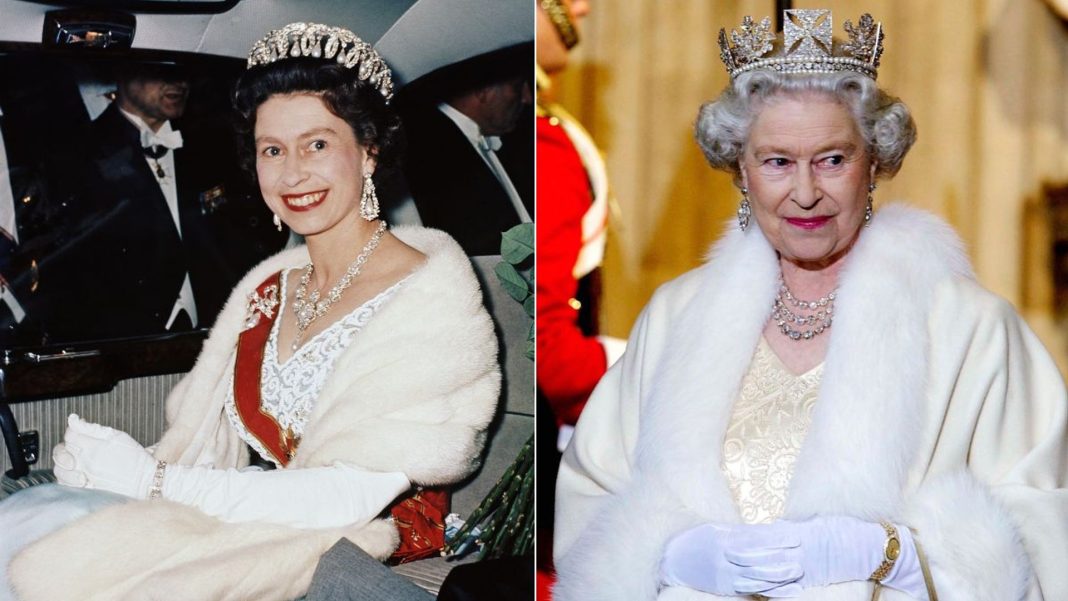
Queen Elizabeth II stands as one of the most iconic figures in modern history. Often referred to simply as Queen Elizabeth, she held the throne longer than any other British monarch. Her life and reign witnessed major global shifts, cultural transformations, and pivotal moments in the evolution of the British monarchy. In this article, we explore not just her age and years of service, but the enduring legacy of Queen Elizabeth II that continues to resonate around the world.
From her youth to historic reign, discover how Queen Elizabeth II became Britain’s longest‑serving monarch and how her age marked key royal milestones.
Early Life of Queen Elizabeth
Born on April 21, 1926, Princess Elizabeth Alexandra Mary Windsor entered into a world markedly different from today’s Britain. A granddaughter of King George V, she was not originally expected to become monarch. Yet her early life laid the foundations for a duty‑bound and deeply committed future ruler. As a young Queen Elizabeth, she learned languages, history, and leadership from tutors, while experiencing World War II firsthand as a member of the Auxiliary Territorial Service.
Through this period, her maturity and sense of responsibility already set her apart—attributes that would define her age and actions throughout her reign. Her siblings included Princess Margaret, with whom she shared a close, lifelong bond.
Becoming Queen Elizabeth II
The Unexpected Path to the Crown
In 1936, after the abdication of King Edward VIII, Elizabeth’s father became King George VI. Suddenly, Princess Elizabeth moved from being second in line to becoming heir apparent. This shift marked the beginning of a path she never anticipated, yet embraced with steadfast resolve.
Her coronation in 1953 was a global event; the first British coronation broadcast on television, bringing Queen Elizabeth II into homes around the world—foreshadowing her unique ability to connect with people across generations.
Queen Elizabeth Age: Milestones and Records
Understanding Queen Elizabeth age means appreciating not just numbers, but decades of service and stability. Her age milestones included:
- 21 years old: Became heir apparent.
- 25 years old: Married Prince Philip in 1947.
- 27 years old: Became Queen Elizabeth II after her father’s death in 1952.
-
70+ years: Reigned as monarch, the longest in British history.
At the time of her passing on September 8, 2022, at the age of 96, Queen Elizabeth II had served as monarch for more than 70 years—surpassing the age and reign records of any previous British sovereign.
Table: Queen Elizabeth II – Key Age Milestones
| Year | Event | Age |
|---|---|---|
| 1926 | Birth of Princess Elizabeth | 0 |
| 1947 | Marriage to Prince Philip | 21 |
| 1952 | Became Queen Elizabeth II | 25 |
| 1953 | Coronation | 26 |
| 2022 | Passed Away | 96 |
This table illustrates Queen Elizabeth age through landmark moments, highlighting how her life intertwined with historical events.
Queen Elizabeth II’s Reign and Historical Impact
Her reign as Queen Elizabeth II spanned seven decades, making her not only a symbol of continuity but one of immense cultural influence. She met every prime minister from Winston Churchill to Liz Truss, adapting to changing political landscapes without publicly intervening in political matters—a hallmark of constitutional monarchy.
Her age outlasted many post‑war challenges: decolonization, the Cold War, the digital revolution, and global pandemics. At every stage, her presence brought a sense of continuity, stability, and reassurance to the British people and Commonwealth nations.
Table: Queen Elizabeth II – Historic Royal Engagements
| Decade | Key Engagements | Impact |
|---|---|---|
| 1950s | State visits & coronation | Modernized monarchy |
| 1960s–70s | Commonwealth tours | Strengthened global ties |
| 1980s–90s | Royal modernization | Public perception shifts |
| 2000s | Digital engagement | Broader global outreach |
| 2020s | Platinum Jubilee | Celebrated 70 years of reign |
Personal Life and Queen Elizabeth Age
Queen Elizabeth II’s personal life was defined by devotion to her family and to service. Married to Prince Philip for 73 years until his passing in 2021, she balanced official duties with private moments that shaped her character. Her children, grandchildren, and great‑grandchildren continued royal traditions while contributing to the modern evolution of the monarchy.
Her age in later years became a symbol of resilience. Even into her 90s, she carried out public engagements, adapted to virtual events when necessary, and remained an enduring figure in national life.
Though centuries of history unfolded, Queen Elizabeth’s personal grace and longevity kept the monarchy grounded, her age a testament to steadfast leadership.
Queen Elizabeth in Modern Culture
The world watched Queen Elizabeth II through films, documentaries, and literature. She became more than a monarch; she became a cultural icon. Whether in dramatic portrayals, historical biographies, or public retrospectives, her life captured human curiosity across cultures.
Artists and creators often highlighted contrasts in her life: tradition vs. modernity, duty vs. change, age vs. adaptability. Fans of royal history frequently return to her story when exploring the concept of Queen Elizabeth, her age at various pivotal moments, and her remarkable ability to adapt while preserving royal heritage.
The Legacy of Queen Elizabeth II
As the longest‑reigning British monarch, Queen Elizabeth II leaves a legacy rooted in service, dignity, and deep connection with people around the world. Her age and years of service stand as milestones in royal history. Even after her passing, the institutions she upheld and reformed reflect the enduring imprint she made on the monarchy.
Her life invites reflection on how leadership can evolve while maintaining core traditions. In history books and collective memory, her age and reign provide a narrative of steadfast dedication in an ever‑changing world.
Conclusion
Queen Elizabeth II’s life story is inseparable from her identity as Queen Elizabeth and the remarkable span of her reign. Her age was not merely a number—it was a measure of service, resilience, and enduring relevance. From her early years to her historic reign, she exemplified dignity, adaptability, and unwavering commitment to her role as monarch.
Her legacy continues to be studied, honored, and celebrated in countless accounts of modern history. While future generations will interpret her life in different ways, the narrative of Queen Elizabeth II as both a person and a sovereign remains an extraordinary chapter in the story of monarchy.
Read More:- Breaking: CT School Closings and Delays — New 12 Schools Impacted
