

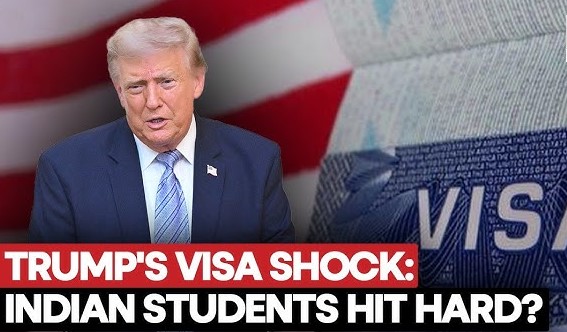
The landscape of studying abroad in the United States continues to evolve, making it crucial for prospective students to stay informed about the latest developments. Recent policy shifts have introduced significant changes that affect how long international students can remain in the country and the overall application experience. This comprehensive guide covers everything you need to know about current us student visa news, helping you navigate the process with confidence.
Understanding the Basics of Student Visas in the US

The United States remains a top destination for higher education, attracting students from around the world with its world-class universities, diverse programs, and opportunities for personal and professional growth. The primary visas for academic study are the F-1 visa for academic students and the J-1 visa for exchange visitors. These visas allow full-time enrollment at accredited institutions certified by the Student and Exchange Visitor Program (SEVP).
To qualify, applicants must demonstrate intent to pursue a full course of study, have sufficient financial resources, and show ties to their home country indicating they plan to return after completing their education. The process begins with acceptance to a SEVP-certified school, which issues the Form I-20 (for F-1) or DS-2019 (for J-1).
Major Recent Developments in US Student Visa News
One of the most talked-about updates in us student visa news is the Department of Homeland Security’s final rule published in July 2026. This rule ends the long-standing “Duration of Status” (D/S) policy that previously allowed students to stay for the length of their program plus a grace period. Starting September 15, 2026, most F-1 and J-1 visa holders will be admitted for a fixed period of up to four years, based on the program length indicated on their I-20 or DS-2019.
This change aims to enhance national security through regular vetting and prevent potential abuse of the system. Students in programs longer than four years, such as certain doctoral or medical degrees, may need to apply for extensions, which will now involve a more formal process with DHS oversight rather than automatic university extensions.
Key Impacts of the New Rule:
- Fixed Admission Period: Maximum four years for initial stays, with extensions possible but subject to rigorous review.
- Reduced Grace Period: Post-completion grace period shortened to 30 days from the previous 60 days, giving students less time to prepare for departure, apply for Optional Practical Training (OPT), or change status.
- Restrictions on Changes: Tighter limits on switching majors, programs, or institutions without additional approvals.
- Transition for Current Students: Those already in the US can generally complete their current program or stay up to four more years, but leaving the country might reset their status under the new rules.
These updates represent a major shift in us student visa news, prompting universities and students to adjust their planning accordingly. While the goal is to focus on genuine academic pursuits, concerns have been raised about potential disruptions for longer programs and increased administrative burdens.
Step-by-Step US Student Visa Application Process
Applying for a student visa requires careful preparation. Here’s a clear breakdown:
- Secure University Admission: Get accepted to an SEVP-certified school and receive your I-20 or DS-2019 form.
- Pay the SEVIS Fee: The I-901 fee is $350, payable online before your visa interview.
- Complete Form DS-160: Fill out the online nonimmigrant visa application accurately.
- Schedule and Attend Interview: Book an appointment at a US embassy or consulate. Most applicants need an in-person interview, with limited waivers.
- Prepare Required Documents: Bring your passport (valid for at least six months beyond your stay), DS-160 confirmation, I-20/DS-2019, financial proof, academic transcripts, and ties to home country evidence.
Visa application fee is $185. Processing times vary by location, so check the US Department of State’s wait times tool regularly. Social media screening has expanded, so ensure your online presence aligns with your application details.
Tips for a Successful Application
- Demonstrate Strong Ties: Show property, family, or job prospects in your home country.
- Financial Proof: Provide bank statements, sponsor affidavits, or scholarship letters covering tuition, living expenses, and return travel.
- Academic Preparation: Highlight your qualifications, test scores (TOEFL/IELTS, GRE, etc.), and genuine interest in the program.
- Be Honest and Consistent: Any discrepancies can lead to delays or denials.
- Apply Early: Visas can be issued up to 365 days before the program start date.
Bullet points for common pitfalls to avoid:
- Submitting incomplete financial documentation.
- Failing to explain post-study plans clearly.
- Ignoring embassy-specific instructions.
- Delaying SEVIS fee payment.
Success rates fluctuate but remain encouraging for well-prepared applicants from many countries. Focus on authenticity during the interview—consular officers assess intent more than perfection.
Broader Context and Additional Considerations
Beyond the core application, us student visa news frequently covers related topics like work authorizations. F-1 students can engage in Curricular Practical Training (CPT) during studies and Optional Practical Training (OPT) afterward, with STEM OPT extensions up to 24 additional months. The new rules may bring stricter monitoring of these benefits.
Travel bans and entry restrictions for nationals of certain countries continue to affect eligibility, emphasizing the need to verify status with official sources. Universities often provide dedicated international student offices for guidance on compliance.
Economic contributions from international students are substantial, supporting jobs and campus diversity, yet policies continue to balance openness with security priorities. Staying updated through official channels like travel.state.gov and studyinthestates.dhs.gov is essential.
Preparing for Life as an International Student
Once approved, focus on practical aspects: housing, health insurance, orientation programs, and cultural adjustment. Many campuses offer resources for visa maintenance, including reporting address changes within 10 days and maintaining full-time enrollment.
The four-year cap in recent us student visa news underscores the importance of efficient academic planning. Students in extended programs should consult advisors early about extension procedures.
Conclusion
Navigating us student visa news and requirements demands attention to detail and timely action, especially with the 2026 policy changes taking effect soon. By understanding the fixed admission periods, preparing thoroughly for interviews, and staying compliant, aspiring students can turn their American education dreams into reality. Always consult official government websites and your university’s international office for the most accurate, personalized advice. With proper planning, studying in the US offers unparalleled opportunities for growth and success.
