

Introduction
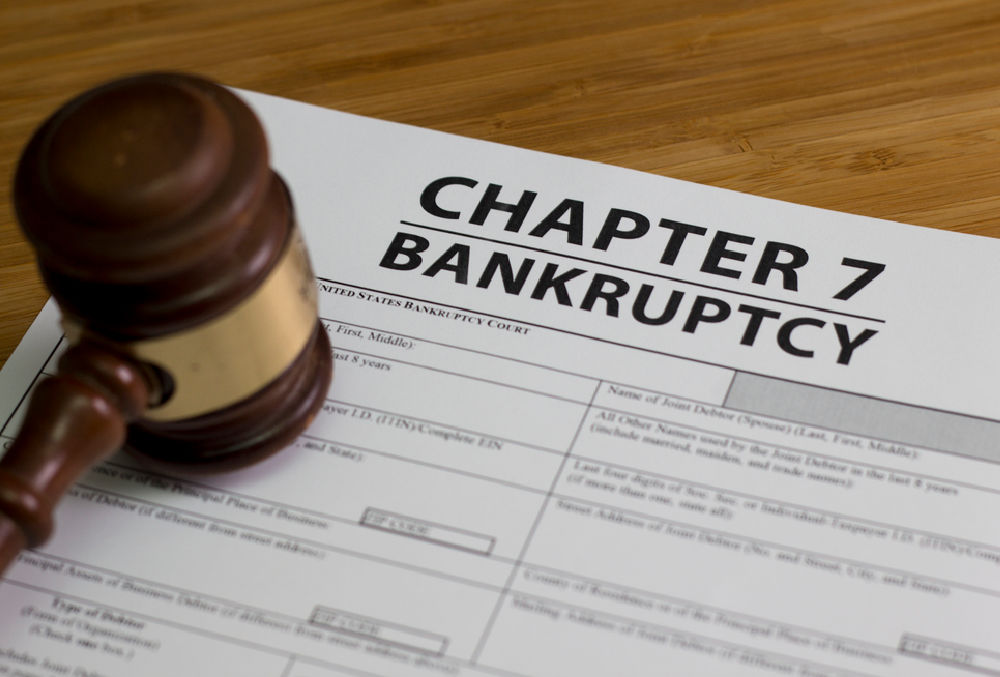
Chapter 7 bankruptcy is one of the most common forms of bankruptcy in the United States. Often referred to as “liquidation bankruptcy,” Chapter 7 helps individuals eliminate most unsecured debts and get a fresh financial start. If you are struggling with debt and wondering whether filing Chapter 7 is right for you, this guide will walk you through every step of the process, its advantages, disadvantages, and post-bankruptcy recovery.
What is Chapter 7 Bankruptcy?
Definition and Overview
Chapter 7 bankruptcy is a legal process under the U.S. Bankruptcy Code that allows individuals or businesses to eliminate certain debts. Unlike Chapter 13 bankruptcy, which involves repayment plans, Chapter 7 focuses on discharging debts and liquidating non-exempt assets to repay creditors.
How Chapter 7 Differs from Other Bankruptcy Types
While Chapter 7 eliminates debts quickly, Chapter 13 involves restructuring debts over 3–5 years. Businesses often file Chapter 11 for reorganization, while Chapter 7 is primarily for individuals seeking immediate relief from financial pressure.
Who Can File for Chapter 7 Bankruptcy
Eligibility for Chapter 7 depends on the “means test,” which examines your income, expenses, and family size. Individuals with lower income relative to state median levels typically qualify, while those with higher incomes may need to consider Chapter 13.
The Chapter 7 Bankruptcy Process
Filing the Petition and Required Documents
To begin, you must file a petition with the bankruptcy court, including detailed information about your income, debts, assets, and expenses. Supporting documents include tax returns, bank statements, and a list of creditors.
Automatic Stay: How It Protects You
Once your petition is filed, an automatic stay goes into effect, stopping most creditors from contacting you, filing lawsuits, or attempting to collect debts. This protection is one of the most valuable aspects of Chapter 7.
The Role of the Bankruptcy Trustee
The bankruptcy trustee oversees your case, reviews your assets and debts, and may sell non-exempt assets to repay creditors. The trustee also conducts the meeting of creditors and ensures that the bankruptcy process follows legal requirements.
Meeting of Creditors (341 Meeting)
During the 341 meeting, you will answer questions from the trustee and creditors under oath. This meeting is usually brief and allows the trustee to clarify details of your financial situation.
Advantages of Chapter 7 Bankruptcy
Debt Discharge and Financial Relief
The primary benefit of Chapter 7 is that it allows for the discharge of unsecured debts like credit cards, medical bills, and personal loans. Once discharged, you are no longer legally obligated to pay these debts.
Quick Process Compared to Chapter 13
Chapter 7 typically takes 3–6 months from filing to discharge, significantly faster than Chapter 13 repayment plans.
Protection from Collection Calls and Lawsuits
The automatic stay immediately halts creditor harassment, including phone calls, letters, and collection lawsuits, giving you peace of mind.
Disadvantages and Risks of Chapter 7 Bankruptcy
Impact on Credit Score and Financial Reputation
Filing Chapter 7 will stay on your credit report for up to 10 years. This can make it more difficult to obtain loans, mortgages, or credit cards in the short term.
Non-Exempt Assets May Be Sold
Some assets may not be protected under state or federal exemptions. These assets could be sold to repay creditors.
Eligibility Restrictions and Means Test
Not everyone qualifies for Chapter 7. The means test determines whether your income is low enough to file. Those with higher incomes may need to explore Chapter 13 or other options.
How to Prepare for Chapter 7 Bankruptcy
Gathering Financial Records
Collect documents such as tax returns, bank statements, mortgage statements, and a list of debts and assets. Accuracy is critical for a smooth filing process.
Credit Counseling Requirement
Before filing, you must complete a credit counseling course from an approved provider. This requirement helps you understand alternatives to bankruptcy.
Choosing a Bankruptcy Attorney
Hiring an experienced Chapter 7 bankruptcy attorney can simplify the process, ensure compliance with legal requirements, and help protect your assets.
Life After Chapter 7 Bankruptcy
Rebuilding Credit and Financial Stability
After bankruptcy, it is essential to create a budget, pay bills on time, and rebuild credit slowly. Secured credit cards and small loans can help restore your credit score over time.
Avoiding Future Debt Problems
Learn from past financial mistakes by maintaining a strict budget, reducing unnecessary expenses, and building an emergency fund.
Understanding the Long-Term Effects
While Chapter 7 provides immediate debt relief, its impact on credit and future financial transactions can last years. Awareness and careful planning are key.
Common Myths About Chapter 7 Bankruptcy
Myth 1: You Lose Everything You Own
Most personal property is protected under exemptions, so you can often keep your home, car, and basic household items.
Myth 2: Bankruptcy Eliminates All Debts
Not all debts are dischargeable. Taxes, student loans, child support, and some secured debts may remain after Chapter 7.
Myth 3: Only “Irresponsible” People File
Bankruptcy is a legal tool to handle overwhelming debt and can be used by responsible individuals facing unexpected financial hardship.
FAQs About Chapter 7 Bankruptcy
How Long Does Chapter 7 Bankruptcy Take?
Typically, 3–6 months from filing to discharge.
Can I Keep My Home or Car?
Exemptions vary by state, but most filers can keep essential assets.
Can I File Chapter 7 More Than Once?
Yes, but there are time restrictions. Generally, you must wait 8 years between filings.
Table: Chapter 7 vs Chapter 13 Bankruptcy
| Feature | Chapter 7 | Chapter 13 |
|---|---|---|
| Debt Discharge | Most unsecured debts | Partial discharge after repayment plan |
| Process Length | 3–6 months | 3–5 years |
| Asset Liquidation | Non-exempt assets may be sold | Usually, assets are retained |
| Eligibility | Means test required | Higher income allowed |
| Credit Impact | 10 years on credit report | 7 years on credit report |
Conclusion
Chapter 7 bankruptcy can provide a fresh start for individuals overwhelmed by debt. By understanding the process, preparing documents, and knowing the advantages and disadvantages, you can make an informed decision about whether Chapter 7 is right for you. While it affects your credit and financial future, it also offers a path to regain financial stability and peace of mind.
Learn how Chapter 7 bankruptcy can eliminate debts, protect assets, and give you a fresh financial start in just 3–6 months.
Chapter 7 bankruptcy explained: process, pros, cons, and tips for rebuilding credit after discharge. Get your financial fresh start today.
Discover who qualifies for Chapter 7 bankruptcy, how it works, and how it helps individuals regain control over their finances quickly and legally.
Read More:- Understanding Chapter 7 Bankruptcy: Complete Guide for Beginners
