


In today’s digital world, protecting creative work while respecting others’ rights has become increasingly important. A well-written copyright disclaimer helps content creators communicate their legal position clearly and reduces the risk of misunderstandings or disputes. Whether you run a website, publish videos, or write books, understanding how to use a copyright disclaimer properly can save time and legal complications.
This guide explains everything in simple terms for beginners and experienced creators alike.
What is a Copyright Disclaimer?
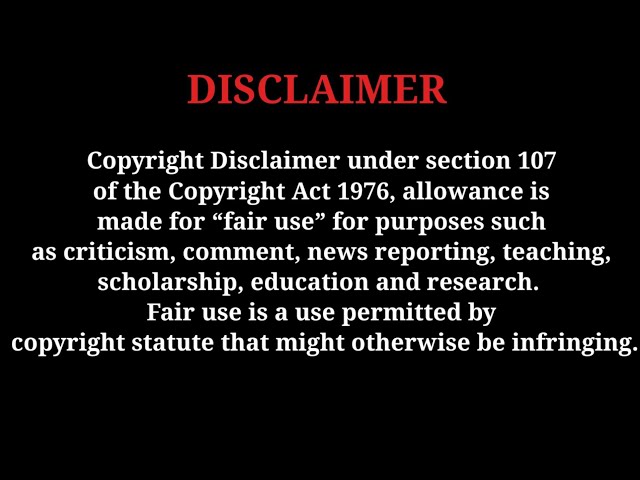
A copyright disclaimer is a statement that informs others about ownership rights over original content and outlines how that content can or cannot be used. It serves as a public notice that the material is protected and specifies conditions for reproduction or sharing. Unlike full legal registration, a disclaimer provides basic protection by clearly stating the creator’s position.
Many websites, YouTube channels, and publications include these notices in footers, video descriptions, or introductory pages.
copyright disclaimer helps establish clear boundaries and educates users about permissible use of the material.
Why You Need a Copyright Disclaimer
Adding a proper disclaimer offers several practical benefits:
- Deters unauthorized copying and distribution.
- Provides evidence of ownership intent in case of disputes.
- Informs users about fair use possibilities.
- Reduces risk of accidental infringement claims.
- Shows professionalism and legal awareness.
Even if you register your work formally, a visible disclaimer adds an extra layer of protection and clarity.
Essential Elements of an Effective Copyright Disclaimer
A good disclaimer usually includes these components:
- Copyright symbol (©) and year of creation.
- Owner’s name or business entity.
- Statement reserving all rights.
- Specific permissions or restrictions.
- Contact information for licensing requests.
- Mention of fair use where applicable.
The language should be clear and professional without being overly complicated.
- Basic structure most disclaimers follow:
- Ownership declaration.
- Rights reservation statement.
- Usage guidelines.
- Consequences of violation.
- Fair use or exception notes.
copyright disclaimer should be placed where users can easily see it, such as website footers, video descriptions, or book copyright pages.
Copyright Disclaimer for Websites and Blogs
Website owners should place the disclaimer prominently:
“All content on this website is protected by copyright. No part of this site may be reproduced or distributed without prior written permission from the owner.”
Additional clauses can address images, guest posts, or user-generated content. Regular updates help cover new material added over time.
YouTube and Video Content Disclaimers
Video creators often include disclaimers in descriptions:
“This video contains original content protected under copyright law. Downloading, re-uploading, or using clips without permission is strictly prohibited.”
Many creators also mention fair use for educational or review purposes to avoid unnecessary claims.
Book and Written Content Disclaimers

Authors typically include detailed notices on copyright pages:
“The right of [Author Name] to be identified as the author of this work has been asserted in accordance with the Copyright, Designs and Patents Act. All rights reserved. No part of this publication may be reproduced, stored in a retrieval system, or transmitted in any form without prior permission.”
This establishes clear legal standing for the work.
copyright disclaimer for books often includes ISBN details and publisher information alongside rights statements.
Fair Use and Copyright Disclaimer
Fair use allows limited use of copyrighted material for purposes like criticism, comment, news reporting, teaching, or research. A good disclaimer acknowledges fair use while warning against excessive or commercial misuse:
“Fair use of copyrighted material is permitted for purposes such as criticism, comment, news reporting, teaching, scholarship, and research. However, any unauthorized commercial use is prohibited.”
Understanding fair use boundaries helps both creators and users avoid disputes.
Common Mistakes to Avoid
Many people make these errors when writing disclaimers:
- Using vague or overly broad language.
- Copying generic templates without customization.
- Forgetting to update years or ownership details.
- Making false claims about rights.
- Ignoring jurisdiction-specific requirements.
Careful drafting and periodic review prevent these issues.
- Best practices for writing disclaimers:
- Keep language simple and clear.
- Update regularly with new content.
- Consult legal experts for complex projects.
- Combine with proper registration where possible.
- Include contact details for permission requests.
copyright disclaimer works best when combined with actual copyright registration and proactive monitoring of unauthorized use.
International Considerations
Copyright laws vary across countries, though many follow the Berne Convention. International creators should consider:
- Jurisdiction where content is primarily published.
- Target audience locations.
- International treaties and agreements.
- Local registration requirements in key markets.
A well-drafted disclaimer mentions applicable laws clearly.
Digital Millennium Copyright Act (DMCA) and Similar Laws

In many jurisdictions, creators can issue takedown notices for unauthorized use. A strong disclaimer supports such actions by clearly establishing ownership. Platforms like YouTube have specific procedures that work alongside copyright disclaimers.
Protecting Your Work Beyond Disclaimer
While disclaimers are helpful, additional steps strengthen protection:
- Registering copyright with official authorities.
- Using watermarks on images and videos.
- Timestamping content through blockchain or other services.
- Maintaining detailed creation records.
- Monitoring web for unauthorized copies.
Combining multiple strategies provides comprehensive protection.
copyright disclaimer serves as the first line of defence that educates users and establishes your legal position publicly.
Responding to Copyright Infringement
When someone uses your work without permission:
- Document the infringement with screenshots and links.
- Send a polite but firm notice requesting removal.
- Issue formal DMCA takedown if on supported platforms.
- Consult legal experts for persistent cases.
- Keep records of all communications.
Professional handling protects rights while maintaining good reputation.
Helping Others Respect Copyright
Creators should also respect others’ rights by:
- Seeking permission when needed.
- Giving proper attribution.
- Using royalty-free or licensed material.
- Understanding fair use limitations.
- Educating their audience about copyright.
Responsible practices strengthen the entire creative community.
Conclusion
A thoughtfully written copyright disclaimer forms an essential part of protecting intellectual property in the digital age. It communicates your rights clearly, educates users, and provides legal foundation for enforcement when necessary. Whether you create websites, videos, books, or other content, taking time to craft an appropriate disclaimer is worth the effort.
Remember that disclaimers work best alongside actual registration and monitoring. As content creation grows rapidly across platforms, understanding copyright principles becomes increasingly important for everyone. By respecting others’ rights while protecting your own, you contribute to a healthier creative ecosystem where innovation can flourish.
Regular review and updating of your copyright disclaimer ensures it remains relevant as your body of work expands. Clear communication about rights and fair use helps build trust with your audience while safeguarding your creative efforts for the future.
