

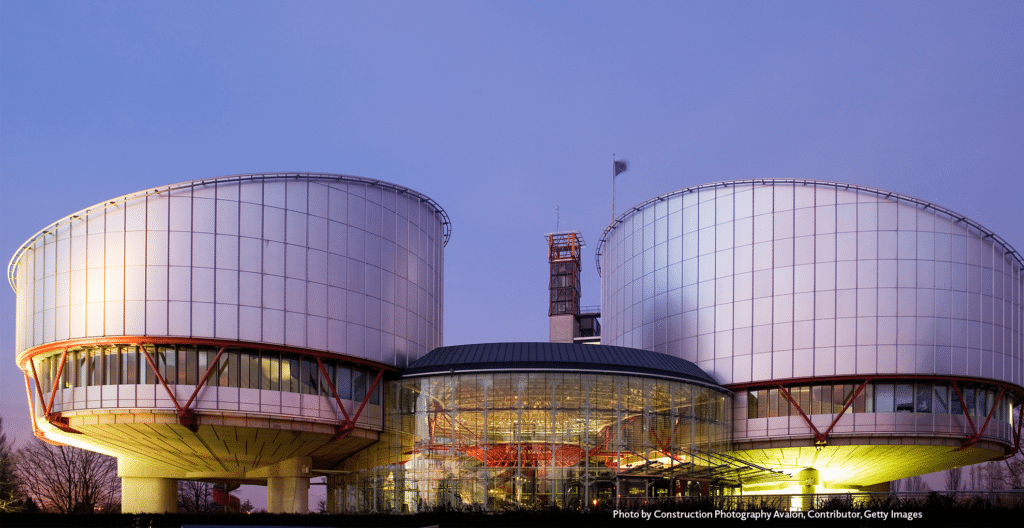
The European Convention on Human Rights (ECHR) plays a crucial role in safeguarding civil liberties in the United Kingdom. Understanding what is ECHR in UK law helps citizens know their rights and how they are protected against abuses by public authorities. This guide explores the origins, legal framework, key rights, landmark cases, and debates surrounding the ECHR in the UK.
Introduction to the ECHR
What Is the European Convention on Human Rights?
The European Convention on Human Rights, established in 1950, is an international treaty designed to protect fundamental human rights and freedoms across Europe. Signatory countries, including the UK, are legally bound to uphold the rights outlined in the Convention.
In simple terms, the ECHR ensures that governments cannot infringe on basic rights such as the right to life, freedom of expression, or the right to a fair trial.
Purpose and Objectives of the ECHR
The ECHR aims to:
-
Protect individuals from abuses of power by governments.
-
Promote democracy and the rule of law.
-
Provide a legal mechanism for citizens to challenge violations of their rights.
Why Human Rights Protection Matters in the UK
In the UK, the protection of human rights is essential for maintaining democracy, equality, and fairness. Citizens rely on both domestic laws and international treaties like the ECHR to ensure that government actions are transparent and accountable.
The question “what is ECHR in UK” is often asked by citizens seeking to understand how human rights are enforced in everyday life.
History and Origins of the ECHR
Creation of the Convention After World War II
The ECHR was created in the aftermath of World War II, in response to atrocities committed during the war. European nations sought a common framework to protect human rights and prevent future abuses.
Key Founding Members and European Cooperation
The original 10 founding members, including the UK, were committed to collaborating on human rights protection. Today, 47 countries across Europe are signatories, all subject to the rulings of the European Court of Human Rights.
The UK’s Role in Drafting the Convention
The UK actively participated in drafting the Convention, emphasizing the importance of judicial oversight and protecting civil liberties. This historic involvement laid the foundation for the Human Rights Act 1998.
How the ECHR Works
Fundamental Rights Protected Under the Convention
The ECHR protects a wide range of civil and political rights, including:
-
Right to life
-
Freedom from torture
-
Freedom of expression
-
Right to a fair trial
-
Right to privacy and family life
| Article | Right Protected | Relevance in UK |
|---|---|---|
| Article 2 | Right to life | Prevents unlawful killing by authorities |
| Article 3 | Freedom from torture | Protects against inhumane treatment in custody |
| Article 6 | Right to a fair trial | Ensures justice in courts and tribunals |
| Article 8 | Right to privacy | Protects personal and family life |
| Article 10 | Freedom of expression | Safeguards free speech and press freedom |
Legal Framework and Enforcement Mechanisms
The ECHR functions through both international law and domestic legislation. Individuals can bring cases to the European Court of Human Rights if their rights are violated and domestic remedies have been exhausted.
Role of the European Court of Human Rights
The European Court of Human Rights (ECtHR) hears complaints from citizens and issues binding judgments that member states must comply with. In the UK, this court complements domestic legal systems by ensuring human rights standards are met.
Incorporation of the ECHR into UK Law
Overview of the Human Rights Act 1998
The Human Rights Act 1998 incorporated the ECHR into UK law, allowing citizens to rely directly on ECHR rights in domestic courts. This means UK courts must interpret legislation in a way that is compatible with ECHR principles.
How UK Courts Apply ECHR Principles
UK courts regularly consider ECHR rights in cases involving criminal law, family law, and public authority actions. Judges use the Convention to ensure fairness, transparency, and protection of liberties.
Relationship Between UK Parliament and Human Rights Law
While Parliament is sovereign, it must consider ECHR obligations when drafting laws. If a law conflicts with human rights principles, courts can issue a “declaration of incompatibility,” prompting legislative review.
Understanding what is ECHR in UK helps citizens challenge unlawful government actions through domestic courts before escalating to the European Court.
Key Rights Protected by the ECHR in the UK
Right to Life
Article 2 protects citizens from arbitrary deprivation of life, influencing laws around police use of force, capital punishment (abolished in the UK), and public safety.
Freedom of Expression
Article 10 ensures free speech while balancing restrictions for public order, national security, or protection of reputation. UK courts often face challenges in balancing freedom of expression with hate speech laws.
Right to a Fair Trial
Article 6 guarantees fair legal proceedings, impartial judges, and the presumption of innocence, influencing both criminal and civil cases.
Right to Privacy and Family Life
Article 8 protects individuals from unlawful surveillance, intrusion, and family separation, guiding legislation on data protection and family law.
Freedom from Torture and Inhuman Treatment
Article 3 prevents torture, slavery, or degrading treatment, ensuring humane prison conditions and treatment of vulnerable populations.
Impact of the ECHR on UK Society
Influence on UK Legal Decisions
The ECHR has shaped major rulings in areas like prisoner voting rights, asylum policies, and police conduct. It ensures that government actions are legally and morally accountable.
Protection of Individual Liberties
By incorporating the ECHR, the UK empowers citizens to assert rights in courts, protecting them from discrimination, unlawful detention, or abuse.
Effects on Government Policies
Government policies on counter-terrorism, immigration, and surveillance must align with ECHR standards, promoting a balance between security and human rights.
Major ECHR Cases Involving the UK
Landmark Judgments and Their Impact
Some notable cases include:
| Case | Year | Issue | Outcome |
|---|---|---|---|
| Hirst v UK | 2005 | Prisoner voting rights | UK required to reform voting restrictions |
| McCann v UK | 1995 | Police use of lethal force | Clarified Article 2 obligations |
| Osman v UK | 1998 | State duty of care | Defined responsibility of authorities to prevent harm |
How Court Decisions Changed UK Laws
These rulings have led to legislative reforms, such as the Electoral Administration Act and changes to police procedures.
Public and Political Reactions
While some rulings were controversial, they sparked public debate on the balance between national sovereignty and international human rights obligations.
Criticism and Controversies Surrounding the ECHR
Arguments Against ECHR Influence in the UK
Critics argue that the ECHR interferes with UK sovereignty, forcing domestic laws to align with international rulings.
Debate Over National Sovereignty
Political discussions focus on whether the UK should amend or withdraw from certain ECHR obligations, particularly in areas like prisoner voting and immigration control.
Political Discussions on Reform or Withdrawal
Some politicians advocate replacing the Human Rights Act with a “British Bill of Rights” while maintaining basic protections for citizens.
The question “what is ECHR in UK” often resurfaces during debates about reforming human rights legislation.
Benefits of the ECHR for UK Citizens
Safeguarding Civil Liberties
The ECHR ensures that all citizens have access to fundamental rights regardless of status, background, or political affiliation.
Ensuring Government Accountability
Public authorities are legally accountable for violating human rights, promoting transparency and ethical governance.
Strengthening Democracy and Justice
By protecting individual freedoms, the ECHR fosters a culture of rule of law, equality, and social justice.
The Future of Human Rights Protection in the UK
Proposed Reforms and Policy Changes
Future reforms may focus on clarifying the balance between UK sovereignty and international obligations while ensuring continued protection of fundamental rights.
UK’s Relationship with European Human Rights Law
Even post-Brexit, the UK remains committed to ECHR membership, highlighting the importance of human rights for international reputation and diplomacy.
Challenges and Opportunities Ahead
Challenges include political pressure to reduce ECHR influence, while opportunities lie in strengthening public awareness of rights and government accountability.
Conclusion
Summary of ECHR’s Role in the UK
The ECHR provides a robust framework for protecting human rights in the UK, integrated through the Human Rights Act 1998 and reinforced by domestic courts.
Understanding what is ECHR in UK is essential for citizens to safeguard their rights and participate actively in democratic society. The ECHR continues to influence legislation, judicial decisions, and government accountability, making it a cornerstone of modern UK law.
Read More:- Lawctopus Review: How It Helps Law Students Build Strong Legal Careers
