

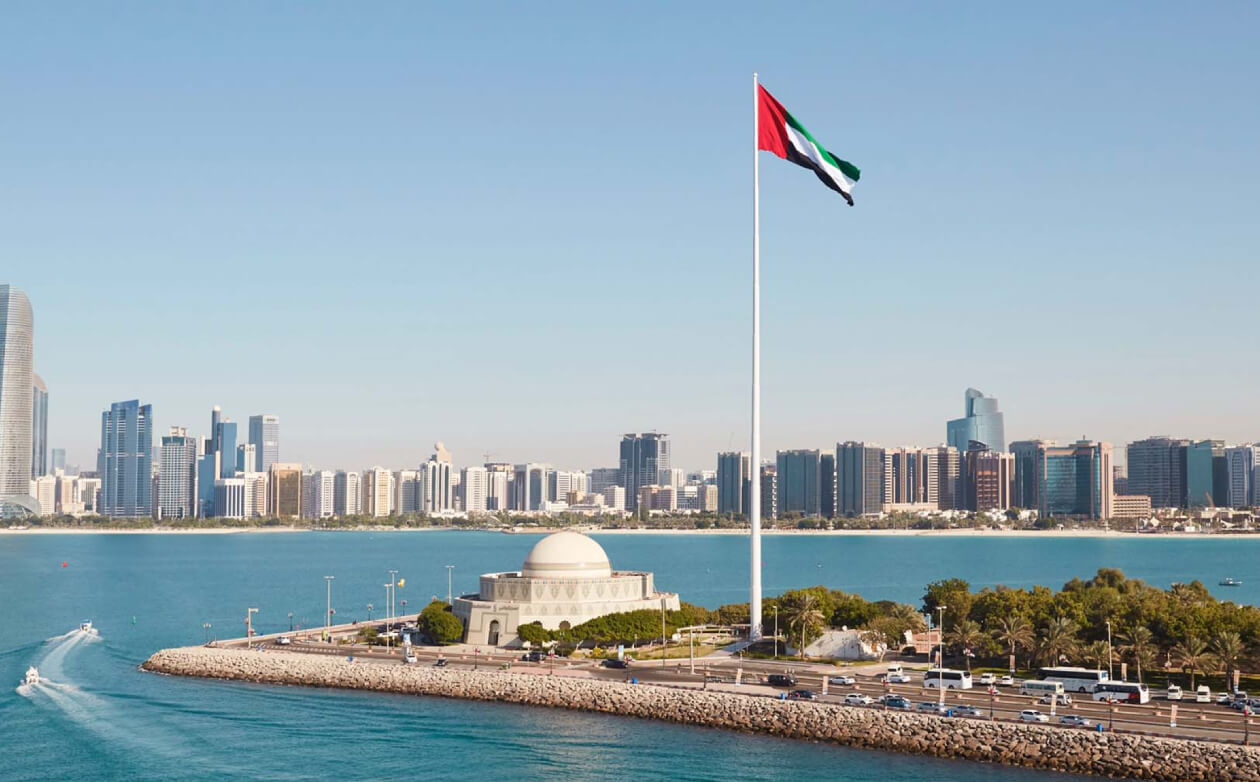
Dubai, as a global hub of commerce, tourism, and innovation, draws attention not just for its skyscrapers and luxury lifestyle but also for its legal framework and human rights policies. Understanding Dubai human rights is crucial for residents, expatriates, and international observers who wish to navigate life or conduct business in the city while respecting local laws and social norms. This blog provides a detailed exploration of the current state of human rights in Dubai, its reforms, challenges, and international perspectives.
Introduction to Human Rights in Dubai
What Are Human Rights?
Human rights are the basic rights and freedoms that belong to every person in the world, from birth until death. They include civil liberties, political freedoms, social rights, and economic entitlements that ensure dignity, equality, and justice.
Overview of Human Rights in the UAE
Dubai, as part of the United Arab Emirates, follows the national legal system that defines citizens’ and residents’ rights. The UAE Constitution guarantees a range of civil liberties while balancing them with local cultural and religious values. This approach has often drawn global attention in discussions about Dubai human rights.
Why Dubai’s Human Rights Record Matters Globally
Dubai is home to over 3 million expatriates and millions of visitors annually. Its human rights policies affect labor laws, social behavior, and business practices, making it a point of interest for global organizations, human rights activists, and foreign governments.
Legal Framework Governing Human Rights in Dubai
UAE Constitution and Fundamental Rights
The UAE Constitution outlines essential freedoms such as the right to education, freedom of movement, and equality before the law. Dubai implements these constitutional rights through local laws and decrees.
Federal Laws and Regulations
Labor laws, criminal codes, and anti-discrimination regulations are designed to protect citizens and residents alike. For instance, the Wage Protection System ensures timely salary payments for workers—a critical aspect of Dubai human rights.
Role of Dubai’s Judicial System
Dubai has civil, criminal, and Sharia courts that govern legal disputes, including those concerning human rights. The system aims to balance traditional norms with international standards, though challenges remain in enforcement consistency.
International Human Rights Agreements and Commitments
The UAE is a signatory to several international human rights treaties, including conventions against human trafficking, child labor, and discrimination. However, reports suggest gaps remain in the full implementation of these conventions.
Civil and Political Rights in Dubai
Freedom of Expression and Media Regulations
While Dubai allows considerable media activity, laws regulate online speech and public commentary. Social media users are advised to respect local cultural sensitivities to avoid penalties. These restrictions highlight ongoing debates around Dubai human rights and freedom of expression.
Privacy and Digital Rights
Residents enjoy privacy protections, but surveillance and cybercrime laws also impose limits. Understanding digital rights is essential for expatriates, journalists, and businesses operating in Dubai.
Freedom of Assembly and Association
Public gatherings, protests, or political demonstrations are tightly regulated. Permits are required, reflecting Dubai’s approach to balancing civil order with individual rights.
Legal Rights of Residents and Citizens
Residents in Dubai have access to legal recourse for civil disputes, employment grievances, and family law matters. Citizenship laws, however, remain restrictive, limiting long-term political engagement for expatriates.
Labor Rights and Migrant Worker Protections
Overview of Migrant Workforce in Dubai
Expatriates form the backbone of Dubai’s economy, comprising over 80% of the workforce. Ensuring labor rights is a significant component of Dubai human rights policies.
Employment Laws and Worker Protection Policies
Dubai has introduced reforms to improve workers’ rights, including laws covering employment contracts, working hours, and leave entitlements.
Key Labor Protections for Workers in Dubai
| Protection | Description |
|---|---|
| Wage Protection System | Ensures timely salary transfers via bank channels |
| Labor Dispute Resolution | Provides legal recourse for contract violations |
| Anti-Discrimination Laws | Protects workers from race, gender, and religion bias |
| Occupational Health & Safety | Mandatory safety standards across workplaces |
Challenges Faced by Migrant Workers
Despite legal protections, migrant workers sometimes face exploitation, delayed wages, and limited union representation. These ongoing issues are a critical focus of international human rights advocacy regarding Dubai human rights.
Women’s Rights and Gender Equality
Legal Status of Women in Dubai
Women in Dubai enjoy significant legal rights compared to many regional counterparts. Laws support education, employment, property ownership, and access to the judiciary.
Progress in Education and Employment
Female participation in higher education and corporate leadership roles has grown, reflecting social reforms. Government initiatives encourage women to pursue STEM fields and entrepreneurship.
Marriage, Family Laws, and Personal Rights
Family and personal status laws provide rights in marriage, inheritance, and guardianship. However, certain restrictions remain, balancing religious law with modern reforms.
Government Initiatives for Gender Equality
Programs like Dubai Women Establishment and labor reforms illustrate ongoing efforts to enhance gender equality—an essential aspect of Dubai human rights.
Human Rights of Foreign Residents and Tourists
Rights of Expats Living in Dubai
Expatriates enjoy residency rights, healthcare access, and legal protections under employment and civil law.
Legal Rules and Cultural Expectations
Respecting Islamic traditions and local customs is mandatory. Legal awareness is essential to avoid unintended violations.
Consumer and Property Rights
Expats and tourists are protected under property ownership and consumer laws, ensuring transparency and dispute resolution.
Protection and Responsibilities of Visitors
Dubai imposes clear rules for tourists, including adherence to dress codes, prohibited behaviors, and digital conduct. These regulations are integral to understanding Dubai human rights from a global visitor perspective.
Social Reforms and Recent Human Rights Developments
Legal Reforms in Recent Years
The UAE has amended several laws to improve labor conditions, reduce penalties for minor offenses, and protect women and children.
Changes in Social and Cultural Policies
Relaxed social policies, including the easing of alcohol consumption rules and family-oriented public policies, reflect Dubai’s modernization efforts.
Government Programs Supporting Human Rights
Authorities have introduced public awareness campaigns, labor inspections, and community programs to strengthen human rights observance.
Vision for Future Reforms
Dubai continues to balance tradition with international human rights standards, aiming for progressive legal and social reforms.
International Perspectives on Dubai’s Human Rights Record
Views from Global Organizations
Groups like Amnesty International have praised labor law reforms but continue to critique restrictions on freedom of expression and assembly.
Reports by Human Rights Watch
HRW reports highlight migrant worker challenges, digital rights limitations, and issues with criminal justice procedures, providing a nuanced view of Dubai human rights.
Government Responses to Criticism
Dubai’s authorities emphasize cultural context, legal compliance, and ongoing reforms as part of their human rights strategy.
Global Comparisons and Rankings
Dubai ranks favorably in labor and safety standards but faces criticism regarding civil and political freedoms compared to global averages.
Challenges and Controversies
Restrictions on Freedom of Speech
Cybercrime laws and public conduct regulations impose limits on online and offline expression, sparking debates on civil liberties.
Labor and Employment Concerns
While reforms exist, reports of wage delays, contract disputes, and accommodation issues remain critical areas needing attention.
Legal Enforcement and Human Rights Debates
Enforcement of labor and civil rights can vary, leading to inconsistencies and occasional international criticism.
Balancing Tradition and Modernization
Dubai aims to modernize its legal system while respecting Islamic and cultural traditions—a delicate balance shaping Dubai human rights practices.
Future Outlook for Human Rights in Dubai
Expected Legal and Social Changes
Further reforms in labor laws, women’s rights, and digital regulations are anticipated, reflecting Dubai’s vision for modernization.
Role of Technology and Globalization
Technology enhances transparency in governance, legal processes, and labor rights enforcement.
Opportunities for Policy Improvements
Greater inclusion of expatriates, workers’ representation, and civil liberties could strengthen Dubai’s human rights record.
Dubai’s Vision for Social Development
Dubai aspires to be a model city that harmonizes economic growth, innovation, and human rights protections for all residents.
Conclusion
Key Takeaways
Dubai has made significant strides in labor protections, women’s rights, and social reforms. However, civil liberties and political freedoms remain areas for improvement. Understanding Dubai human rights is essential for residents, businesses, and visitors to navigate the city safely and responsibly.
Dubai exemplifies a unique model where rapid development, cultural norms, and global human rights standards intersect. While challenges persist, ongoing reforms indicate a path toward more comprehensive human rights protection in the coming years.
Summary of Dubai Human Rights Progress & Challenges
| Category | Progress | Challenges |
|---|---|---|
| Labor Rights | Wage Protection, Legal Reforms | Exploitation, Limited Union Rights |
| Women’s Rights | Education & Employment Opportunities | Family Law Restrictions |
| Civil Liberties | Legal Framework for Privacy | Freedom of Speech, Assembly Restrictions |
| Expat & Tourist Rights | Property & Consumer Protections | Cultural & Legal Compliance |
| Social Reforms | Modernized Policies, Awareness Programs | Enforcement Consistency |
Read More:- ECHR Explained: How Human Rights Are Protected in the United Kingdom
