


The world of innovation thrives on fresh ideas and groundbreaking creations. For inventors and businesses, securing legal protection for these developments is essential. A well-prepared patent application serves as the foundation for this protection, granting exclusive rights to make, use, and sell the invention for a limited time. This comprehensive guide walks you through everything needed to navigate the process smoothly and increase the chances of approval.
What Is a Patent Application?

A patent application is a formal document submitted to a patent office requesting legal recognition for an invention. It details the invention’s technical aspects, how it works, and why it deserves protection. Unlike a simple idea, the application must demonstrate that the invention is new, useful, and non-obvious to someone skilled in the field.
Filing a patent application establishes a priority date, which is crucial in competitive industries where multiple people might develop similar concepts around the same time. Once granted, the patent gives the holder the right to prevent others from using the invention without permission, often leading to commercial advantages like licensing opportunities or market exclusivity.
Types of Patents and Applications
Understanding the different categories helps applicants choose the right path:
- Utility Patents: These cover new and useful processes, machines, manufactures, or compositions of matter. They are the most common type and protect functional aspects of inventions.
- Design Patents: Focus on the ornamental or aesthetic design of a product rather than its function.
- Plant Patents: Protect new varieties of plants that are asexually reproduced.
Applications can also be provisional or non-provisional. A provisional patent application provides a quick, lower-cost way to secure an early filing date while allowing time to refine the invention. It lasts for 12 months and must be followed by a non-provisional filing to continue the process.
Key Requirements for a Strong Patent Application
To succeed, every patent application needs several core elements. The specification forms the heart of the document, providing a clear written description that enables others to replicate the invention. Drawings often accompany the text, illustrating complex features with precise labels and views.
Claims define the legal boundaries of protection. They must be clear, concise, and supported by the description. Broad claims offer wider coverage but face more scrutiny, while narrow claims are easier to approve but provide less protection.
Additional requirements include an oath or declaration from the inventor(s) affirming originality, and disclosure of any known prior art that might affect patentability. Failure to meet these standards can lead to rejection or weak enforcement later.
Step-by-Step Guide to Filing a Patent Application
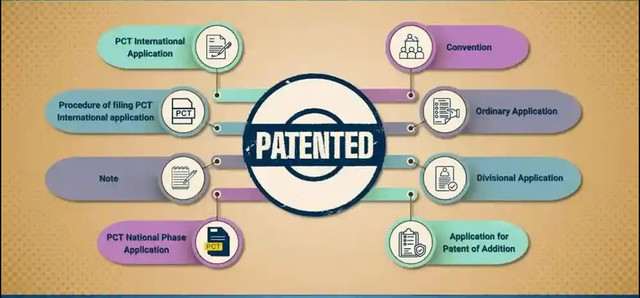
The patent application process involves several structured stages:
- Conduct a Thorough Prior Art Search: Before drafting, search existing patents, publications, and products to assess novelty. This step helps refine claims and avoid wasting resources on unpatentable ideas.
- Prepare the Application Documents: Draft the specification, claims, abstract, and drawings. Many inventors work with experienced patent professionals to ensure compliance with strict formatting rules.
- Choose the Filing Route: Options include direct filing with a national office like the USPTO in the United States or using the Patent Cooperation Treaty (PCT) for international protection. The PCT allows a single application to cover multiple countries initially.
- Submit the Patent Application: File electronically for faster processing and confirmation. Pay the required fees based on entity size (small, micro, or large).
- Examination Phase: An examiner reviews the submission, issues office actions if issues arise, and allows responses or amendments. This back-and-forth can take months or years.
- Publication and Grant: Most applications publish 18 months after filing. If approved, the patent issues after final fees are paid.
Throughout this journey, maintaining detailed records of invention dates and development helps strengthen the case.
Costs and Timelines Involved
Filing a patent application involves various expenses. Official fees vary by jurisdiction and entity status, but total costs including professional preparation often range from several thousand to tens of thousands of dollars for utility patents. Design patents tend to be less expensive. Additional expenses arise during examination, such as responding to office actions, and later for maintenance fees to keep the patent active.
Timelines differ widely. From filing to first office action, it might take 12 to 21 months depending on the technology area. Overall prosecution can span two to three years or longer for complex cases. International filings through PCT add further layers and timelines, with national phase entries required within 30 or 31 months in most countries.
Common Challenges and How to Overcome Them
Many applicants encounter hurdles that can delay or derail their efforts. Publicly disclosing the invention before filing risks losing rights in most countries outside the U.S., which offers a one-year grace period. Always file the patent application first whenever possible.
Inadequate descriptions or poorly drafted claims often lead to rejections. Investing time in clear, detailed documentation pays off. Missing deadlines for responses or fee payments can result in abandonment, so reliable tracking systems are vital.
Another frequent issue is underestimating the effort needed for prior art searches. Comprehensive searches reduce surprises during examination. Working with knowledgeable advisors helps navigate these complexities effectively.
Here are some practical tips for a smoother experience:
- Keep meticulous invention notebooks with dated entries and witness signatures.
- Consider confidentiality agreements when sharing details with potential partners.
- Budget not just for filing but for the full prosecution and maintenance.
- Explore expedited examination options if market timing is critical.
- Review similar granted patents in your field for drafting inspiration.
International Considerations for Patent Applications
Protection is territorial, meaning a U.S. patent does not automatically cover other countries. The PCT system simplifies initial steps by deferring country-specific decisions. The European Patent Office (EPO) offers a route for coverage across multiple European nations through a single process.
Each jurisdiction has unique rules. For instance, software-related inventions face varying eligibility standards. Always research target markets early to align filing strategies with business goals.
Benefits of a Successful Patent Application

Beyond legal exclusivity, a granted patent enhances credibility with investors and partners. It can deter competitors and create revenue through licensing. For startups, patents often form key assets in valuation discussions.
The process itself encourages clearer thinking about the invention, sometimes revealing improvements or alternative embodiments worth protecting.
In this patent application, attention to detail separates successful cases from those that falter. A second patent application might follow as a continuation to claim additional aspects or refinements. Inventors often file multiple related patent applications over time to build a robust portfolio around core technology.
Careful planning ensures the patent application captures the full scope of innovation while meeting all formal requirements. A third patent application could address international expansions or new variations discovered during development.
Many successful inventors treat the patent application as an ongoing strategic tool rather than a one-time event. This approach maximizes long-term value. A fourth patent application in the sequence might focus on manufacturing processes or complementary features.
Finally, reviewing progress after initial filings leads to a fifth patent application that strengthens overall protection and adapts to market feedback.
Conclusion
Navigating a patent application demands preparation, precision, and persistence. From understanding basic requirements to managing costs and international strategies, each stage plays a vital role in turning ideas into protected assets. By following structured steps, avoiding common pitfalls, and seeking appropriate guidance when needed, inventors can secure meaningful protection for their innovations.
The journey may seem complex, but the rewards of successful patenting—market advantage, recognition, and potential financial returns—make it worthwhile. Start with thorough research and a clear plan, and treat the entire process as an investment in your creative future. Whether you are a solo inventor or part of a larger team, informed action today lays the groundwork for tomorrow’s successes.
