

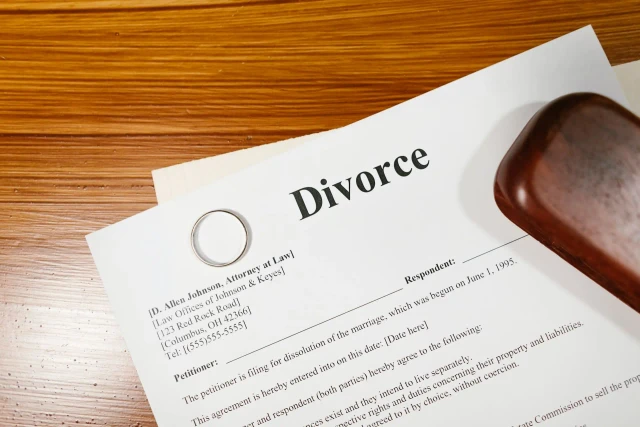
Divorce is a significant life event that requires careful handling of legal procedures. One of the most important aspects involves preparing and submitting the necessary documentation to formally end a marriage. This comprehensive guide explains the role of divorce papers, the steps involved, and key considerations to help individuals approach the process with clarity and confidence.
What Are Divorce Papers?

Divorce papers are the official legal documents required to initiate and complete the dissolution of a marriage. These forms serve as the foundation for the court proceedings, outlining the reasons for the separation, requests for asset division, child custody arrangements, and other related matters.
Understanding these documents is crucial because they set the tone for the entire case. Whether the split is amicable or contentious, having accurate and complete divorce papers helps avoid delays and unnecessary complications. Many people begin their journey by researching what these papers entail and how they fit into the broader legal framework.
In most jurisdictions, divorce papers include a variety of forms depending on the complexity of the situation. For couples without children or shared property, the process tends to be simpler, while cases involving significant assets or minor children require more detailed submissions.
Key Components Typically Found in Divorce Papers:
- Petition or Complaint for Divorce: This is the initial document filed by the spouse seeking the divorce, stating the grounds and basic information.
- Financial Affidavits: Statements detailing income, expenses, assets, and debts.
- Property Settlement Agreements: Outlines how marital property will be divided.
- Child Custody and Support Documents: If applicable, plans for parenting time and financial support.
- Summons: Notifies the other spouse of the filing.
These elements ensure that all parties’ rights and responsibilities are clearly documented from the start.
The Process of Filing Divorce Papers
Filing divorce papers follows a structured sequence that varies slightly by location, but the core steps remain consistent.
- Determine Eligibility: Confirm residency requirements and waiting periods in your area.
- Gather Information: Collect financial records, marriage certificate, and details about children if any.
- Complete the Forms: Fill out the required paperwork accurately. Many courts provide official templates online.
- File with the Court: Submit the documents along with any filing fees.
- Serve the Other Party: Deliver copies to your spouse through approved methods.
- Attend Hearings: Participate in court sessions as scheduled.
- Finalize the Decree: Receive the final judgment once all issues are resolved.
Throughout this process, maintaining organized records is essential. Mistakes in divorce papers can lead to rejections or prolonged timelines, so double-checking every section helps significantly.
For those pursuing an uncontested divorce, where both parties agree on major issues, the paperwork is often straightforward and can be completed without extensive court involvement. Contested cases, however, may involve additional motions and negotiations.
Types of Divorce and Associated Papers

Different types of divorce influence the specific divorce papers needed.
- No-Fault Divorce: The most common option today, where neither party blames the other. Papers focus on irreconcilable differences.
- Fault-Based Divorce: Requires proving misconduct like adultery or abuse, which may need supporting evidence in the documents.
- Summary or Simplified Divorce: Available for short marriages with minimal assets, using shorter forms.
- Collaborative Divorce: Involves professionals and tailored agreements within the paperwork.
Each type demands tailored documentation. For example, fault-based cases might include affidavits with detailed accounts, while simplified versions use basic templates.
Bullet points highlighting differences:
- No-fault options generally require less evidence.
- Fault divorces often involve more extensive witness statements.
- Joint petitions speed up processing for mutual agreements.
- Mediation can help resolve disputes before finalizing papers.
Documents Commonly Required with Divorce Papers
Preparing the right supporting materials alongside divorce papers streamlines everything. Common requirements include:
- Marriage certificate (original or certified copy)
- Birth certificates for any children
- Tax returns from recent years
- Bank statements and investment records
- Property deeds and titles
- Retirement account information
- Health insurance details
- Debt obligations documentation
Organizing these in advance prevents last-minute stress. Some courts also mandate parenting classes or financial disclosure forms as part of the submission.
In cases involving domestic violence, protective orders may accompany the initial filing to ensure safety during the proceedings.
Common Challenges and How to Overcome Them
Many individuals face hurdles when dealing with divorce papers. Incomplete forms are a frequent issue, often resulting in delays. To avoid this, consider using court-approved resources or consulting legal professionals for review.
Emotional stress can make focusing on details difficult. Taking breaks and tackling one section at a time improves accuracy. Budgeting for filing fees, which range from a few hundred to over a thousand dollars depending on the location, is another practical consideration.
For international marriages or those with assets across state lines, additional paperwork addressing jurisdiction and applicable laws becomes necessary.
Tips for Smoother Handling of Divorce Papers:
- Create a dedicated folder for all related documents.
- Keep copies of everything submitted.
- Track deadlines carefully to prevent missed court dates.
- Communicate openly if working toward an agreement.
- Seek support from counselors for the non-legal aspects.
These strategies help maintain momentum and reduce anxiety throughout the experience.
Child-Related Considerations in Divorce Papers
When children are involved, divorce papers place significant emphasis on their well-being. Custody arrangements, visitation schedules, and child support calculations must be clearly addressed.
Courts prioritize the best interests of the child, so detailed parenting plans are often required. These plans cover daily routines, holidays, education, and healthcare decisions. Child support worksheets accompany the papers to determine fair contributions based on income and needs.
Modifications to these arrangements can be requested later through supplemental filings if circumstances change substantially.
Property and Financial Aspects

Divorce papers play a central role in dividing marital assets and debts. Equitable distribution or community property laws guide this process depending on the state.
Key areas covered:
- Division of real estate, vehicles, and personal belongings
- Allocation of joint debts like mortgages or credit cards
- Spousal support or alimony requests
- Retirement and pension benefits
Full financial disclosure is mandatory to ensure transparency. Hiding assets can lead to severe legal consequences, including unfavorable rulings.
Post-Filing Steps and Finalization
Once divorce papers are filed and served, the waiting period begins. During this time, parties may negotiate settlements or attend mediation.
The final decree of divorce, issued by the court, legally ends the marriage. This document includes all approved terms from the papers and serves as the official record.
After finalization, updating records with government agencies, banks, and insurance providers is important. Name changes, if requested, are typically handled within the same proceedings.
Why Professional Guidance Matters
Navigating divorce papers effectively often benefits from expert input. Attorneys can help customize documents to individual situations, ensuring compliance with local rules. Legal aid organizations provide resources for those with limited financial means.
Self-representation is possible in straightforward cases, but complex matters involving businesses or high-conflict scenarios usually require assistance to protect interests.
This keyword “divorce papers” appears here as the third instance in the article, highlighting its central importance in the legal process. Proper preparation of these documents influences outcomes in areas like financial security and family relationships long after the divorce is complete.
Emotional and Practical Support During the Process
Beyond the paperwork, divorce affects every aspect of life. Building a support network of friends, family, or professionals helps manage the transition. Financial planners can assist with post-divorce budgeting, while therapists address emotional challenges.
Practical steps like updating wills, beneficiaries, and estate plans should follow the finalization of divorce papers to reflect the new reality.
This keyword “divorce papers” is mentioned here for the fourth time, underscoring how foundational they are to achieving closure.
Special Situations: Military, Same-Sex, and International Divorces
Military families face unique rules regarding jurisdiction and benefits in divorce papers. The Servicemembers Civil Relief Act offers protections that must be considered.
Same-sex couples, while having equal rights, may encounter specific considerations regarding prior legal recognitions in different states.
International divorces require attention to treaties and foreign court validations, making thorough documentation even more critical.
Future Trends in Handling Divorce Papers
Many courts are moving toward electronic filing systems, making submission of divorce papers more convenient. Online portals allow tracking of case status and access to forms.
Increased focus on mediation and collaborative approaches reduces the adversarial nature, leading to more satisfactory resolutions for families.
Additional Resources for Reference:
- State court websites for official forms
- Legal self-help centers
- Community organizations offering workshops
- Books on family law transitions
These tools empower individuals to stay informed and proactive.
This keyword “divorce papers” appears here as the fifth and final required mention, completing the necessary references while providing valuable context.
Conclusion
Going through a divorce involves many challenges, but understanding divorce papers lays a strong foundation for moving forward. By familiarizing yourself with the required documents, processes, and potential pitfalls, you can navigate this chapter with greater confidence and preparedness. Remember that each situation is unique, so tailoring your approach to personal circumstances leads to better results. Whether amicable or complex, focusing on clear communication, organization, and support helps achieve a fair and respectful resolution. Taking these steps not only addresses the immediate legal needs but also paves the way for a healthier future for everyone involved. Always prioritize well-being during this transformative time.
